
Care and Setup
Keeping an instrument sounding — and playing — its best.
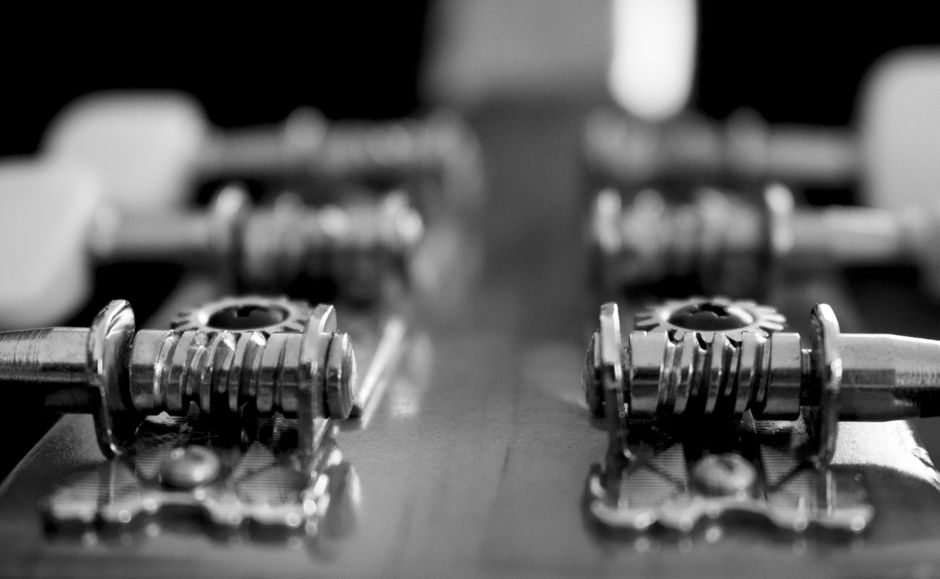
A string instrument is a physical object made largely of wood, metal, and tensioned string material, and all three respond to time, handling, and the environment around them. This category covers the practical maintenance questions that come up for almost every beginner sooner or later: when to change strings, why an instrument won't stay in tune, how humidity affects a wooden body, how to clean and store an instrument safely, and how to tell the difference between a quick adjustment and a job that genuinely needs a professional.
We approach this category with a deliberately cautious tone. Simple, low-risk maintenance — wiping down strings after playing, storing an instrument in its case away from direct heat or sun, learning the early warning signs of a problem — is something almost any player can learn to do safely. Anything that involves adjusting an instrument's structural setup, repairing cracks or loose seams, or working on bridges, necks, or internal bracing is a job we consistently point toward a qualified repair technician or luthier, because doing it incorrectly can cause real and sometimes expensive damage.
Several of the articles here focus on cause-and-effect: why newly installed strings stretch and go out of tune for the first few days, why a dry winter can cause a wooden top to crack while an overly humid room can cause the opposite kind of warping, and what specific sounds or symptoms (a persistent buzz, strings that feel suddenly harder to press, a seam that looks separated) usually indicate. Our goal is to help a reader recognize a problem early and describe it accurately to a repair professional, not to replace that professional's judgment.
Maintenance needs also vary meaningfully by instrument family, which is one of the characteristics we include directly in our comparator. A nylon-strung classical guitar, a steel-strung violin, and a skin-headed banjo each age differently and respond differently to a dry winter or a humid summer, so general advice only goes so far without knowing which instrument you actually have in hand.
The five articles in this category cover changing strings, diagnosing tuning instability, humidity's effects on wooden instruments, cleaning and storage, and recognizing when professional setup or repair is genuinely needed. They apply broadly across instrument types, with specific examples drawn from guitars, violins, and other instruments covered elsewhere in the library.