
World String Traditions
Sitar, oud, koto, erhu, charango, and more.
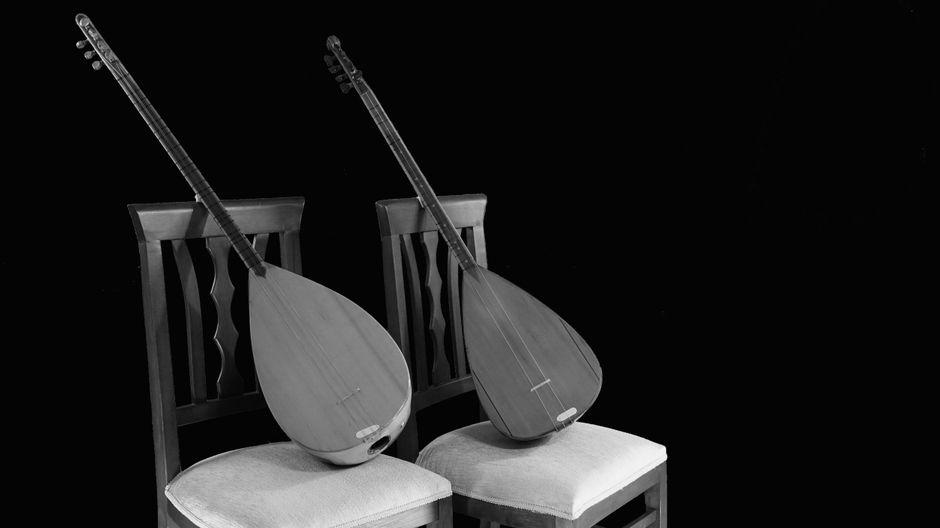
Photo by Gökhan Işıklı via Pexels
String instruments were invented independently, many times over, in cultures across the world, and this category is dedicated to traditions beyond the familiar guitar-and-orchestra lineage that dominates much general-interest writing about music in the United States. Our goal is to introduce each instrument on its own cultural terms: where it comes from, how it is actually played within its tradition, and what makes its construction distinctive, rather than treating it as a curiosity defined only by its contrast with Western instruments.
The instruments covered here range enormously in construction and technique. The sitar uses a large gourd resonator, movable frets, and a dense array of sympathetic strings that resonate without being directly played, producing a signature shimmering tone central to Hindustani classical music. The oud is fretless, requiring careful ear training, and its tuning and playing conventions differ across the Arabic, Turkish, and Persian traditions in which it is used. The koto is played horizontally with movable bridges that let a single instrument be retuned for different pieces. The erhu gets by with only two strings and no fingerboard at all, relying on the player's fingers pressing directly against a bare neck. The charango, built in the Andean regions of South America, was historically constructed from an armadillo shell before conservation concerns pushed many makers toward wood.
Where a tradition's history or construction involves real complexity or ongoing variation — as with the sitar's regional tuning practices or the charango's shifting material choices — we say so directly rather than flattening it into a single tidy fact. Several of these instruments are genuinely demanding to learn and are traditionally studied for years under a teacher from within that tradition; we think that is worth stating plainly rather than suggesting otherwise.
We also try to draw honest connections between traditions where they exist, such as the documented lineage between the Middle Eastern oud and the European lute, without implying that one tradition is simply an earlier or lesser version of another. Each instrument here is presented as a living part of a musical culture still practiced today, not as a historical artifact.
The five articles in this category cover the sitar, koto, oud, erhu, and charango in turn, each explaining construction, tuning, and musical context, with links to the full instrument profiles in our library.