
An Independent String Instrument Library
Understand, Explore, and Compare String Instruments
Guntings String Guide explains how string instruments work, how they differ, and how they are played — from the acoustic guitar on your porch to the sitar on another continent — with a side-by-side comparator to help you see the differences clearly.

Photo by ROMAN ODINTSOV via Pexels
Explore by Family
String instruments are usually grouped by how they are played and where they come from. Start with a family that interests you.
Guitars
Explore this family of instruments and related guides.
Bowed strings
Explore this family of instruments and related guides.
Folk instruments
Explore this family of instruments and related guides.
World traditions
Explore this family of instruments and related guides.
Orchestral strings
Explore this family of instruments and related guides.
Amplified instruments
Explore this family of instruments and related guides.
How to Use This Site
Explore an Instrument
Visit the instrument library to read a full profile: construction, strings, tuning, size, and typical musical role.
Compare Characteristics
Use the comparator to set two to four instruments side by side and see exactly where they differ.
Learn How Strings Create Sound
Read our String Instrument Basics guides to understand the physics and technique behind every instrument in this library.
Featured Instruments
View all instruments →
Acoustic Guitar
Origin: Spain, later United States
Played: Strummed with a pick or fingers, or plucked fingerstyle
The acoustic guitar is a six-string, flat-top instrument designed to project sound without electronic amplification. Its hourglass-shaped bo…

Violin
Origin: Northern Italy
Played: Bowed, held under the chin; also played pizzicato (plucked) at times
The violin is the smallest and highest-pitched member of the orchestral bowed string family. Its arched, carved body and f-shaped soundholes…

Ukulele
Origin: Hawaii
Played: Strummed or fingerpicked
The ukulele is a small, four-string instrument closely associated with Hawaiian music and widely adopted as an accessible first instrument a…

Banjo
Origin: West Africa, developed in the Americas
Played: Fingerpicked (clawhammer or three-finger/Scruggs style) or strummed, depending on tradition
The banjo is built around a circular rim covered with a stretched skin or synthetic head, which gives it a bright, percussive tone unlike an…
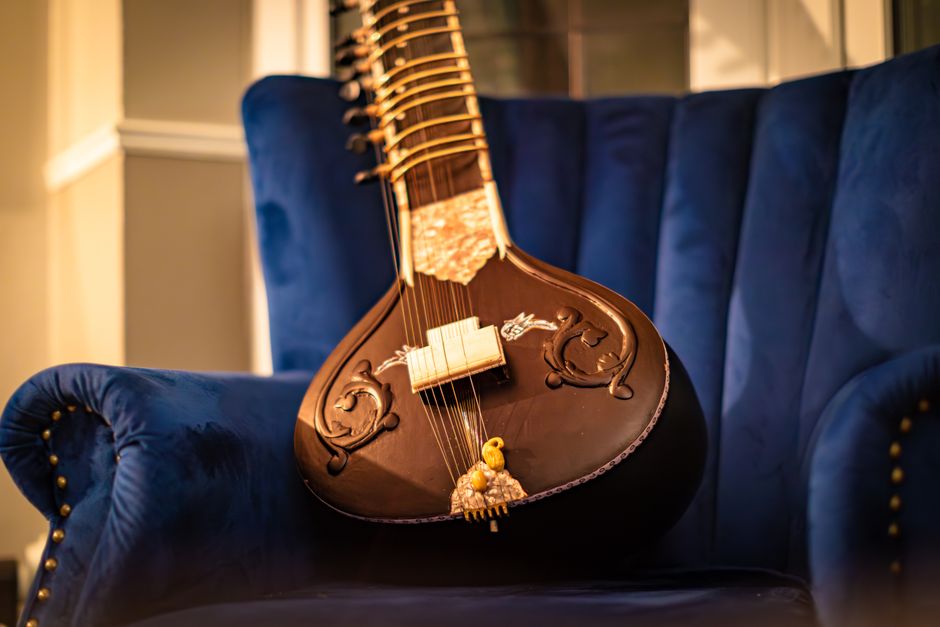
Sitar
Origin: North India
Played: Plucked with a wire plectrum (mizrab) worn on the index finger, with extensive use of bent notes (meend) achieved by pulling the string sideways
The sitar is built with a large gourd resonator, a long hollow neck, and movable curved metal frets that can be repositioned for different r…
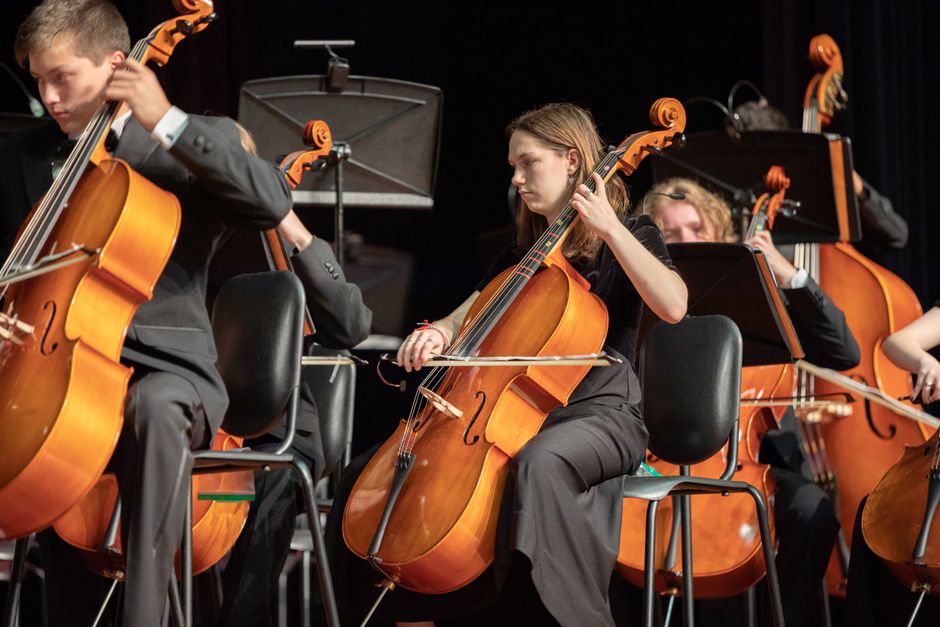
Cello
Origin: Northern Italy
Played: Bowed, played seated with the body resting between the knees and an endpin touching the floor
The cello is a large bowed string instrument played seated, resting on an adjustable endpin and held between the knees. Its range sits rough…
Essential Guides
View all guides →Try the Comparator
Pick two instruments below to open a full side-by-side comparison, or visit the full comparator to filter the whole library and compare up to four at once.
How We Approach This Library
How We Research
Every profile and guide draws on recognized academic and institutional references, listed at the end of each page. See our Sources and Methodology.
Cultural and Historical Nuance
Where origins or traditions are contested or vary by region, we say so directly rather than presenting one version as settled fact.
Difficulty and Cost Are Relative
We describe difficulty, volume, and cost in relative, hedged terms. No instrument is declared universally "easiest" or "best."
No Manufacturer Affiliation
Guntings String Guide is independent and does not represent or endorse any instrument manufacturer or retailer.