
Playing Techniques
How string players actually produce music.
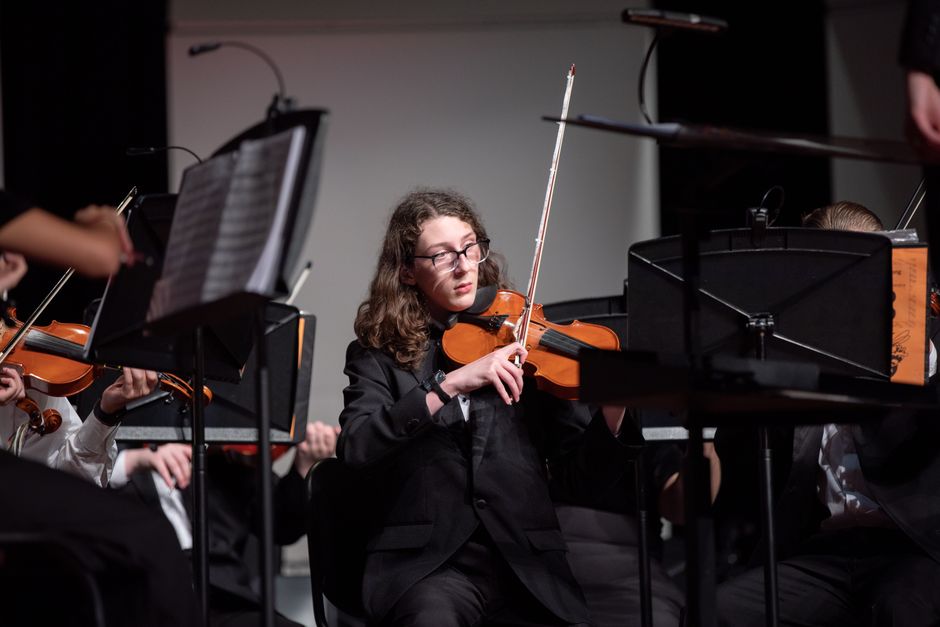
Photo by Roxanne Minnish via Pexels
Owning or recognizing a string instrument is one thing; understanding how a player actually coaxes music out of it is another. This category steps back from any single instrument to explain the techniques that run across the whole string family: how fingers, picks, and bows interact with a string, and how a player shapes volume, tone, and phrasing once a note has started sounding.
We start with the basic split between fingerstyle and pick (or plectrum) playing, a choice that affects tone, speed, and which traditions and repertoires are realistically open to a player. From there, we look specifically at bowing technique, since bowed instruments add an entire second layer of control — bow speed, pressure, and contact point — that fretted and plucked instruments do not need to manage in the same way. A separate article addresses how chords (multiple notes at once) and melody (one note at a time) are physically produced on fretted instruments, and why some instruments in our library lean toward one approach or the other by design.
Two more specialized topics round out this category. Harmonics — the ringing, flute-like overtones produced by lightly touching a string at specific points rather than pressing it down fully — show up across bowed and plucked instruments alike, and understanding how they work makes a certain kind of shimmering tone much less mysterious the next time you hear it. Dynamics and articulation, meanwhile, cover how players vary loudness and the shape of individual notes, which works quite differently on a bowed instrument capable of a true sustained crescendo than on a plucked or strummed instrument, where every note begins to decay the instant it sounds.
None of these techniques exist in isolation. A player choosing between fingerstyle and a pick is also making a decision that affects how easily they can produce certain dynamics or articulations a moment later, and a bowed-string player's grip and arm position shape every harmonic and dynamic choice that follows. We try to show these connections rather than treating each technique as a completely separate skill.
These five articles are written to apply across many instruments rather than just one, and each links back to specific instrument profiles and family categories where a given technique is especially central to that instrument's identity.