
World Traditions
Shamisen
The shamisen pairs a small, drum-like body, traditionally covered with stretched skin, with a long fretless neck and just three strings. Played with a large plectrum called a bachi, it produces a sharp, percussive attack that has made it central to Japanese theatrical music as well as several modern genres.
Plucked
Japan
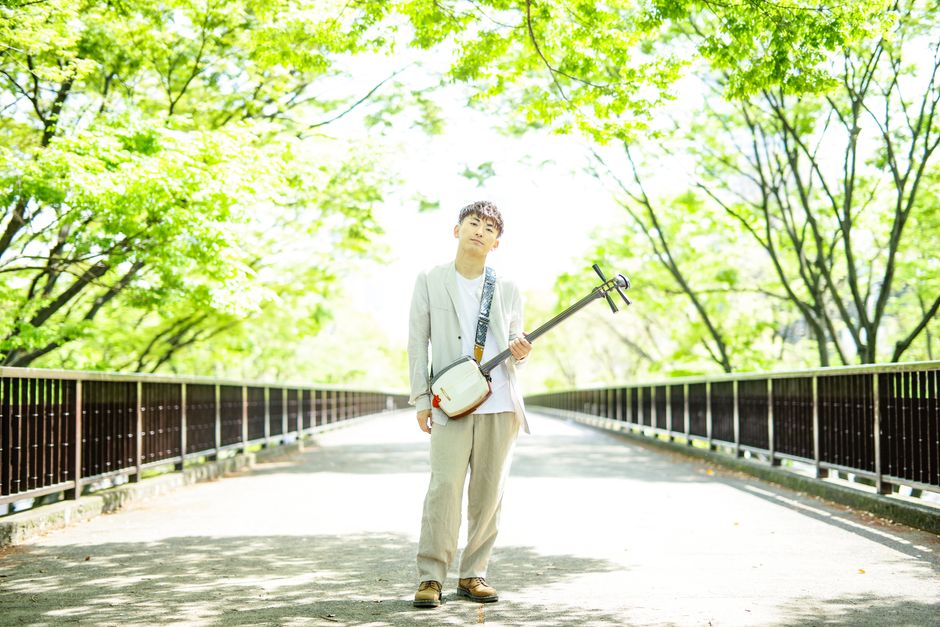
Photo by Takuya Hozumi via Pexels
| Family | World Traditions |
|---|---|
| Region / context | Japan |
| Playing method | Plucked and struck with a large plectrum (bachi); fretless neck |
| Number of strings | 3 strings |
| Common tuning | No single fixed tuning; common patterns include honchoshi, niagari, and sansagari, chosen by genre and piece |
| String material | Silk historically; modern strings are often nylon or similar synthetics |
| Construction | Small square or rounded drum-like body traditionally covered with skin (now often synthetic), with a long fretless neck that typically disassembles for transport |
| Size range | Overall length roughly comparable to a guitar |
| Portability | Moderate — The neck typically disassembles into sections, which makes travel more manageable than its length would suggest. |
| Acoustic volume | Moderate — A sharp, percussive attack with moderate sustain, well suited to cutting through vocal and theatrical accompaniment. |
| Musical contexts | Used in traditional Japanese theater (kabuki and bunraku), folk genres such as min'yo, and modern styles like tsugaru-shamisen. |
| Beginner learning curve | Demanding — The fretless neck and varied tunings make this a demanding instrument for newcomers, similar to other fretless traditions. |
| Maintenance | Periodic restringing, skin head care, and attention to the plectrum's condition. |
| Amplification | Acoustic by design; microphones are used for amplified performance. |
| Practice environments | Its percussive attack is noticeable in shared housing but manageable in most home settings. |
Origin and Background
The shamisen developed from the Chinese sanxian by way of the Okinawan sanshin, reaching its standard Japanese form by around the 16th or 17th century.
Sources
- Grove Music Online
- The Metropolitan Museum of Art, Department of Musical Instruments
Content last checked against our reference sources on October 14, 2026. See our sources and methodology page for how we research instrument profiles.